Yoga Class for Beginners: What to Know Before Your First Practice
Published 2026-10-15
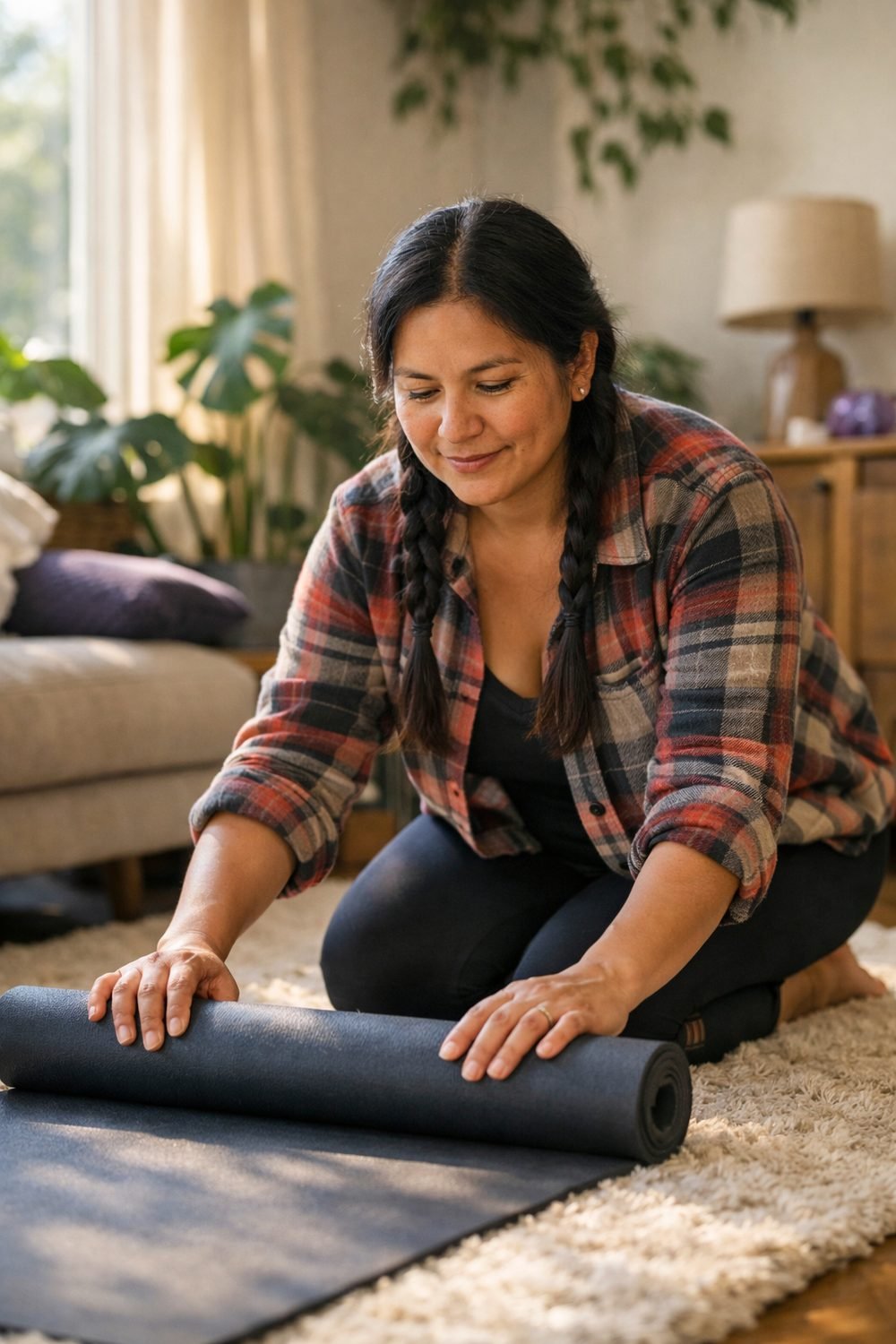
If you are thinking about taking a yoga class for beginners, a little preparation makes your first practice easier. This guide covers what yoga is, what equipment you need, how to choose a class or video, and simple rules for your first few weeks.
If you're thinking about taking a yoga class for beginners, you don't need to be flexible, sporty or calm. You just need a bit of space and some patience with yourself. Yoga mixes gentle movement, breathing and focus. It comes in many styles and levels, and beginners are welcome in all of the good ones. Here's what I wish someone had told me before my first practice.
Short on time? Our top picks: Manduka mats, Liforme yoga mat, Gaiam yoga mats and kits and Gaiam yoga blocks. See all picks
Yoga isn't one single thing
Some yoga is slow and soft. You hold easy stretches, lie on the floor and breathe. Other styles move fast, flowing from pose to pose until you're sweaty and a little shaky. Both count. There's no one right way to do it.
When you're new, look for classes or videos labelled "beginner" or "gentle." Those words matter more than the style name. It's easy to make the mistake of clicking on something called "power flow" because it sounds fun. It was fun, for about six minutes. After that I was mostly lying on my mat watching the instructor do things I couldn't.
Start soft. You can always try something faster later, once you know the basic shapes and how your body likes to move.
Yoga equipment for beginners: what you need and what you can skip
The yoga world can make it look like you need a whole shopping list. You really don't. Here's the short version:
- A mat. A non-slip yoga mat for beginners gives you grip and a little cushioning. For your first few sessions, a towel on carpet works fine, though a starter mat from a brand like Gaiam is an easy upgrade later. Just know that a towel on a hard floor can slide around.
- Comfy clothes. Anything you can bend and stretch in. Old leggings, shorts, a loose T-shirt. Skip anything too baggy at the top, because it'll flop over your face when you lean forward.
- A clear space. About the size of your mat, plus a little room to stretch your arms out.
- Optional props. Yoga blocks for beginners and straps can make poses easier to reach. A folded blanket or a couple of firm cushions does a similar job.
Honestly, I'd skip buying fancy yoga clothes at the start. They're nice, but they won't make the poses easier. A thick book can stand in for a block until you know you'll keep going.
How to pick a yoga class for beginners (or a video)
This part trips a lot of people up, because there are so many choices. A few things helped me narrow it down.
If you go to an in-person class, look for a qualified instructor. It's fine to ask the studio about their yoga teacher's training. A good teacher won't mind the question.
If you're choosing a yoga beginners course, such as a free series from Yoga with Adriene, keep sessions short at first. Somewhere around fifteen to thirty minutes is plenty. A long class can feel like a big wall to climb when you're brand new, and you're more likely to come back if you finish feeling good instead of wiped out.
The best instructors are often the ones who explain options. They'll say things like "if your hamstrings are tight, bend your knees here" or "grab a block if the floor feels far away." If a teacher only shows the hardest version and moves on, try someone else. You're not failing. They're just not the right fit for you yet.
Simple rules for your first few weeks
These are the principles I come back to every time I practise, even now.
- Listen to your body. Yoga shouldn't cause sharp pain. A stretch can feel strong, but if something pinches or hurts, ease out of it.
- Breathe steadily. Try to keep your breath smooth and even. If you notice you're holding your breath, that's often a sign you're pushing too hard.
- Go slowly. Strength and flexibility build over weeks and months, not in one evening, so be patient with your yoga training.
- Don't compare. The person next to you might have done gymnastics for ten years. Everyone has a different body and history.
- Use the options. Bent knees, blocks and resting in child's pose are normal. They're not cheating.
The breathing one surprised me most. You may catch yourself holding your breath in poses you thought were easy. Once you start paying attention to your breath, everything can feel a bit calmer.
A gentle way to start
You don't need an hour a day. Five to ten minutes, a few times a week, is a lovely place to begin. Here's a simple pattern I like:
- Sit or lie down and take a few slow breaths.
- Do some easy stretches: rolling your shoulders, reaching your arms up, gently bending side to side.
- Try a couple of beginner poses from a video you trust.
- Finish lying on your back for a minute or two, just resting.
That last part is easy to skip, and many beginners do, but it matters. Don't. The short rest at the end is often when you notice how much looser and quieter you feel.
If you like pairing your practice with a few minutes of reflection, our Free 7-Day Gratitude Journal Pages are a nice way to end a session, and you can get them by joining the email list.
Staying safe on the mat
This isn't medical advice, so check with a doctor if you have any concerns. But a few common-sense things go a long way.
If you have an injury or a medical condition, are pregnant, or have any worries at all, talk to your doctor or another qualified professional before you start. They know your situation, and they can tell you what to avoid.
Beyond that, don't push into pain. Warm up gently before deeper stretches, especially if you've been sitting all day. And try not to practise right after a big meal. Practising on a full stomach, such as after a plate of pasta, makes a forward fold uncomfortable. Not a great combo.
Turning it into a habit
The hardest part of yoga isn't the poses. It's showing up.
A few small tricks helped me. Keep your mat out where you can see it, rolled up in a corner of the living room. If it's hidden in a closet, I forget it exists. It also helps to pick a regular time. Right before dinner can work well, when you're tired from work and need to shake off the day. Morning works better for some people.
You can also put a little mark on a paper calendar each time you practise. It sounds silly, but seeing a row of marks makes me not want to break the chain. Nothing fancy. A pen and a calendar on the fridge does the job.
And if you miss a week? Just start again. Nobody's keeping score except you.
More than stretching
Lots of people start yoga for the movement and end up liking the quiet parts more. The breathing and the focus can feel just as valuable as the stretches.
If you want, try sitting still for two or three minutes at the end of your practice. Just notice your breath going in and out. Your mind will wander. Mine wanders to what I'm cooking for dinner almost every time. That's fine. You just gently come back.
Early on, expect to feel stiff and a bit awkward. That's completely normal. Over time, many people find movement gets easier. Results are different for everyone, though, and yoga isn't a replacement for medical care.
Yoga gear and apps worth a look
You don't need much to begin, but a few well-known options can make the first weeks easier. Here are some picks that suit different needs and budgets.
Manduka mats
Suits people who want a mat built to last and plan to keep practising. Check the thickness and weight before choosing, since a heavier mat can be harder to carry around.
Liforme yoga mat
Suits beginners who like visual guides on the mat to help with placement. Check the material and the size to make sure it fits your space and your comfort needs.
Gaiam yoga mats and kits
A familiar name for people who want an easy starter set with a mat and a few props. Check what is actually included in each kit so you don't buy things you already own.
Gaiam yoga blocks
Suits anyone who finds the floor feels far away in some poses. Check whether you prefer foam or cork, as they feel quite different in the hand.
Yoga with Adriene
A well-known YouTube channel with many beginner-friendly videos, suiting people who want to practise at home. Look through the library to find sessions of a length that fits your day.
Down Dog app
Suits people who like to adjust a session to their level and time. Check what the free version offers compared with a paid plan before you commit.
Glo
An online class library that suits people who like choosing between teachers and styles. Look at whether the class lengths and levels match what you want as a beginner.
Please check current plans and prices on each brand's own site.
FAQ
Do I need to be flexible to start yoga?
Not at all. Flexibility is something yoga can help with over time, not something you need first. Bend your knees and use props as much as you like.
How often should a beginner practise?
A few short sessions a week is a good start. Even five to ten minutes counts. Regular small sessions tend to feel easier to stick with than one long one.
Is it okay to learn from videos instead of a class?
Yes, lots of people start at home. Pick beginner videos from instructors who explain options clearly. If you can, an in-person class now and then can help you check how you're doing.
What if a pose hurts?
Ease out of it right away. A strong stretch is okay, but sharp pain isn't. If pain keeps coming back, check with a doctor or qualified professional.
The short version
Start gentle and keep it short. Use whatever mat or towel you have, even if it's one of those cheap yoga mats, breathe steadily and skip anything that hurts. Don't worry about what anyone else looks like on their mat.
Your next step: grab the Free 7-Day Gratitude Journal Pages by joining the email list, then roll out your mat this week for just ten minutes. That's genuinely enough to begin.
Some links on this site may earn us a commission. Read our disclosure.