Yoga Block Set and Strap Checklist
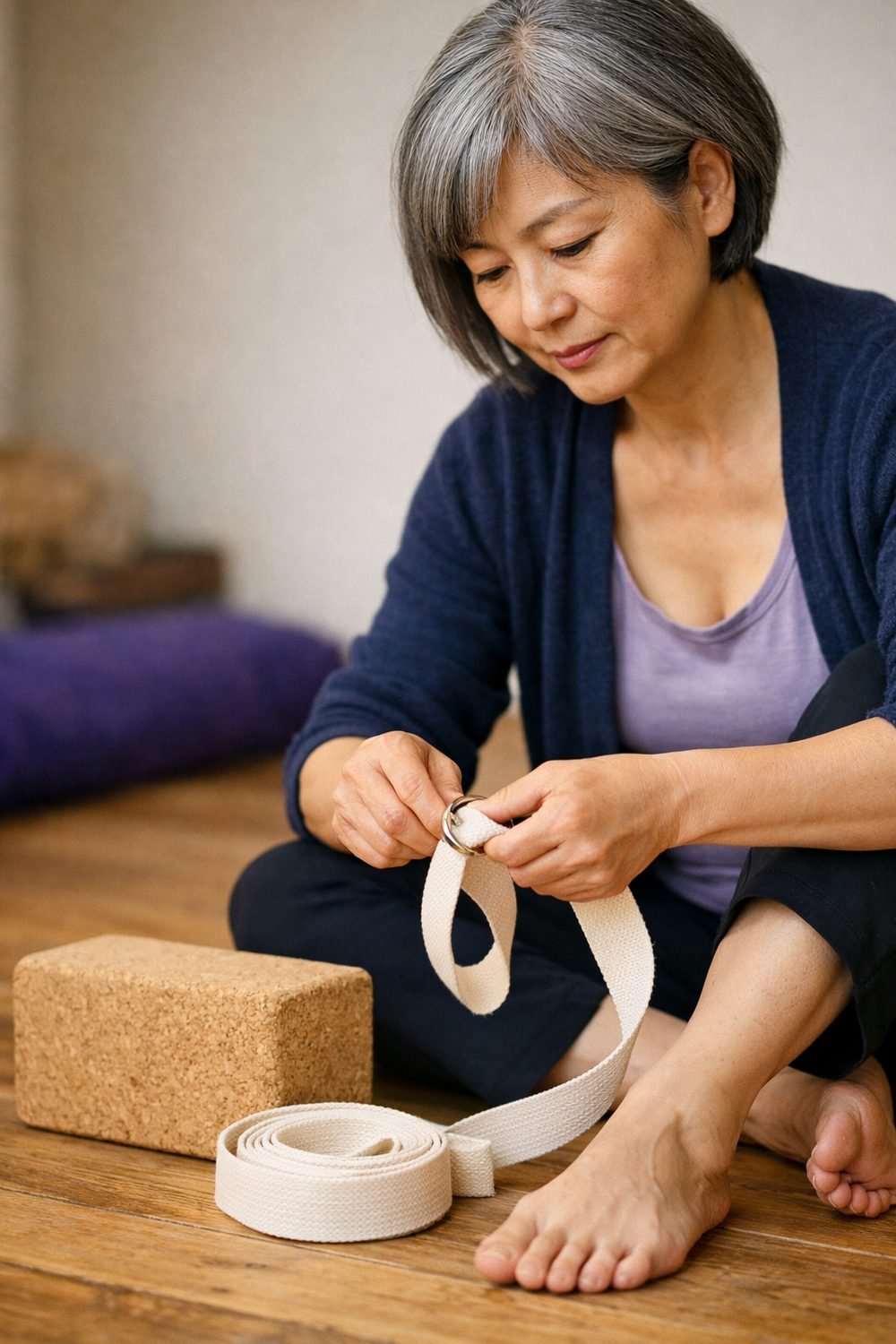
Buying a yoga block set with a strap is easier when you know what to check first. This checklist walks through material, size, grip, strap length, buckle type and return terms so you can choose props that fit your body and your practice.
Many people put off buying a yoga block set and other props for a long time. It's easy to assume props are only for beginners, or for people who take yoga more seriously. Try a block in class and you may wonder why you spent so long straining toward the floor.
Props can make poses more comfortable. They can also bring the floor up to meet you, so you can focus on breathing instead of wobbling. But not every block or strap suits every person, and a bad pick ends up in the back of a closet. Here's the yoga block and strap checklist I wish I'd had before my first purchase.
Short on time? Our top picks: Manduka, Gaiam, Liforme and Hugger Mugger. See all picks
1. Pick a Yoga Block Set Material That Suits How You Practice
Most blocks, including those from brands like Gaiam and Manduka, come in cork, foam or wood. Check the material as listed on the seller's page, because some "cork-look" blocks are really foam with a printed finish. The photos don't always make this obvious.
Foam is light and soft, which is nice if you sit on your block or kneel near it a lot. Cork feels firmer and heavier, so it tends to stay put when you lean weight into it. Wood is the hardest of the three. Wood can feel a bit unforgiving under the hands, but some people love how steady it feels.
Practical tip: Think about where you'll use it most. If it's mainly for seated poses and restorative work, softer foam often makes sense. If you press into it in standing poses, a firmer block may feel more stable.
2. Check the Block Size Against Your Body and Your Poses
Block sizes vary more than you'd guess. Some are slim and narrow, others are wide and chunky. Look for the listed measurements, not just words like "standard" or "large," because those words mean different things to different sellers.
A thicker block gives you more height and a wider base, which can feel safer if you're working on balance. A slimmer block is easier to hold in one hand and packs smaller. If you have larger hands, a skinny block can feel awkward to grip.
Practical tip: Before ordering, grab a book or a box that's close to the listed size. Hold it, set it on the floor next to your foot, and see if the height seems useful. It sounds silly, but it saved me from buying one that would have been too short.
3. Decide If You Really Need Two Blocks
A lot of sets come with a pair. Sometimes that's handy, like when you want support under both hands in a forward fold, or one under each knee while sitting. Other times the second block just sits there.
Many people get by with just one block for months and do fine. If you start doing more restorative poses, a second block becomes useful. So I'd say start with what you'll actually use, unless the pair costs about the same as a single.
Practical tip: Make a short list of the yoga block exercises and poses you do most. If any of them would benefit from support on both sides at once, a pair is worth a look.
4. Get the Yoga Strap Length Right
Yoga strap length matters more than people expect. A yoga stretching strap that's too short won't loop around your foot comfortably in a seated stretch, and one that's very long can feel like you're wrangling a garden hose. Check the length as listed on the product page, whether you buy from Hugger Mugger or another brand.
Taller people, or anyone who's working on flexibility, often find a longer strap easier because there's room to hold it farther back. Shorter straps work for simple stretches if you don't need much slack.
Practical tip: Measure a piece of string or a belt to the listed length and try a few stretches with it. You'll know quickly whether it gives you enough room.
5. Look Closely at the Yoga Belt Strap Buckle
This is the part I overlooked. Straps usually close with a metal D-ring, a plastic clip or a cinch buckle. Each one feels different when you're adjusting mid-pose.
D-rings are simple and easy to slide, though some people find them a little slippy. Cinch-style buckles can hold tighter but may take a moment to loosen. Plastic clips are quick, but I'd check reviews for comments about them cracking or loosening over time.
Practical tip: If you plan to make loops for things like holding your arms in place, choose a buckle that locks firmly. If you mostly hold the strap in your hands, the buckle type matters less.
6. Think About Grip and Texture
A smooth block can slide on a mat, especially if your hands get sweaty. Some blocks have a textured surface or rounded edges that make them easier to hold. The seller's page usually mentions this, so check there instead of guessing from photos.
For straps, cotton tends to feel soft and grippy, while nylon can be smoother and a bit slicker. Neither is wrong. It just changes how the strap feels in your hand when you pull.
Practical tip: Read a few reviews and look for words like "slippery" or "sticky." Real users tend to mention grip problems fast.
Quick side note: if you like small, quiet routines, our Free 7-Day Gratitude Journal Pages pair nicely with a short stretch session, and you can grab them through the sign-up box on this page.
7. Consider Weight and Care
If you carry your props to a class or a park, weight starts to matter. Foam is the easiest to carry. Cork and wood are heavier, and you'll notice it after a walk across town with a full bag.
Cleaning is another thing worth checking. Some materials can be wiped down easily, while others need gentler care. Cotton straps may be washable, but follow whatever care instructions come with the product so you don't shrink or damage it.
Practical tip: Look for the care section on the listing before you buy. If there isn't one, that's worth a question to the seller.
8. Make Sure It Fits Where You'll Keep It
Storage seems boring until your block keeps falling out of your mat bag or slipping from a yoga mat strap. Check whether your bag has room for a block, or if you'll need to carry it separately. Some straps double as a yoga mat carrying strap, which is a nice bonus if you want fewer things to manage.
At home, I keep my block and strap in a basket next to my mat. It sounds small, but having them right there means I actually use them. If your space feels cluttered, the Calm Organization Checklist: 62 Small Resets below this post has a few simple ideas for setting up a practice corner.
Practical tip: Measure the inside of your bag or the shelf where props will live. A few minutes now beats an annoying fit later.
9. Read the Return Terms Before You Order
This is the step most people skip, and I've done it too. Props are personal. A block that looks perfect online may feel wrong under your hand, and some sellers don't accept returns on used items.
Check how long you have to return, who pays shipping, and whether the item needs to be unused. If you want to try it during a real session first, find out if that's allowed.
Practical tip: Screenshot or save the return policy when you order. Policies can change, and it's nice to have a record.
10. Skip the Extras You Won't Use
Some kits bundle blocks, straps, a bolster, a towel, a bag and more. They can look like a great deal. But if you won't use half of it, you're mostly buying clutter.
Start with a single block and a strap. Use them for a few weeks. Then add things based on what you actually miss. If you find yourself wanting more seated support, a cushion might be the next step, and the Meditation Cushion Buyer's Guide and Comparison Sheets below this post can help you compare options.
Practical tip: Ask yourself, "Would I buy this item on its own?" If the answer is no, it probably isn't a reason to choose the bundle.
Yoga Block and Strap Picks Worth a Look
Here are a few well-known brands that make blocks and straps, so you have somewhere real to start comparing. Use the checklist above to decide which one fits how you practice.
Manduka
Manduka is known for yoga gear, including blocks and straps. It suits people who want to buy from a dedicated yoga brand. Check the listed material and dimensions on the product page before choosing.
Gaiam
Gaiam sells a wide range of beginner-friendly props and is easy to find in many stores. It suits people who want to try props without a big commitment. Check which material each block or strap uses, since the range varies.
Liforme
Liforme is a yoga brand best known for mats, and it also offers props. It suits people who like matching gear across their practice. Check the product page for material, size and care details.
Hugger Mugger
Hugger Mugger is a long-running yoga props brand with blocks, straps and bolsters. It suits people who want a bigger choice of prop styles. Check the listed sizes, since options differ from product to product.
Manduka Cork Block Option
If you prefer a firmer feel, look for a cork block from a trusted yoga brand. It suits people who press weight into their props. Check that the listing clearly says cork and not a printed foam look.
Amazon Basics
Amazon Basics offers simple, budget-minded foam blocks and straps. It suits people who are just testing whether props help. Check the return terms and read the listed measurements first.
Decathlon
Decathlon carries yoga blocks and straps under its own Kimjaly line, often in physical stores. It suits people who like to hold a prop before buying. Check availability in your region and the return policy.
Check current plans and prices on each brand's own site.
FAQ
Do I need a block and a strap, or just one?
It depends on your practice. Blocks help with height and support, while straps help you reach or hold a stretch. Many people start with one and add the other once they notice a need.
Is cork better than foam?
Not better, just different. Cork usually feels firmer and heavier, and foam is lighter and softer. Pick based on how you'll use it and how much you'll carry it around.
Can props help if I have pain or an injury?
Props can make some poses feel easier, but they aren't a fix for pain. If you're dealing with an injury or ongoing discomfort, please check with a doctor or a qualified teacher before trying new poses.
How do I know if a strap is long enough?
Check the listed length and compare it with a belt or string at home. Try a seated stretch with it. If you're pulling it tight with no slack, a longer strap may suit you better.
Your Next Step
Pick the one or two items from this list that matter most to you, maybe material and return terms, and use those to narrow your choices. Then grab the Free 7-Day Gratitude Journal Pages through the sign-up box. It's an easy way to build a calm little habit around your practice. After that, take a look at the guides below this post if you're setting up your space or thinking about a cushion. No rush. Your mat will still be there.
Printables and tools that can help
Meditation Cushion Buyer's Guide and Comparison Sheets
A printable guide and comparison sheets to write down what matters to you before you look at any seller...
See detailsCalm Organization Checklist: 62 Small Resets
A printable checklist of 62 small tidy-up tasks for home and...
See details